
Egg donation abroad is one of the assisted reproductive techniques used for women who are unable to achieve pregnancy with their own eggs or who have a low chance of success. This treatment, which uses donor eggs, aims to increase the chances of pregnancy through appropriate patient selection and proper medical planning.
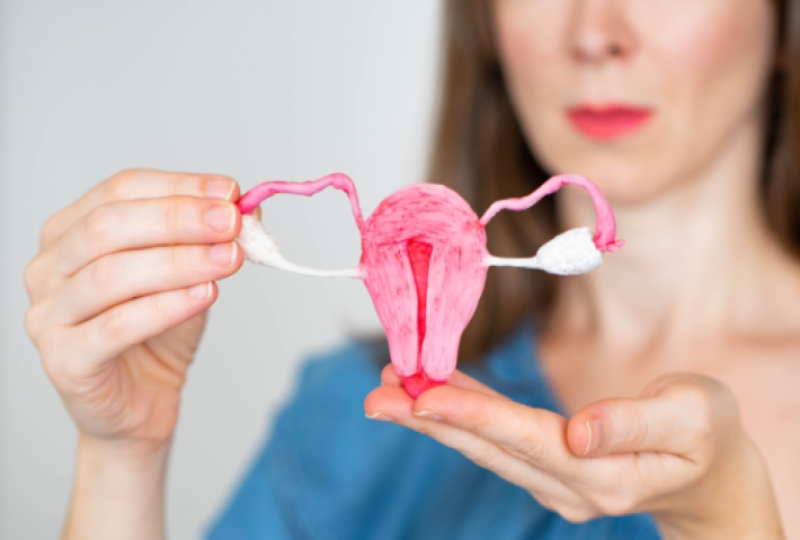
Infertility, defined as the inability to achieve pregnancy, is an important health issue that many couples face today. The inability to conceive is not only considered a physical condition; it can also affect the psychological resilience of couples, their family plans, and their expectations for the future. Especially for women who experience long-term infertility, the process can become both emotionally and medically complex. While modern reproductive medicine offers many different solutions, egg donation may emerge as an important alternative treatment option in certain cases.
Egg donation in Türkiye is one of the assisted reproductive methods used when a woman cannot achieve pregnancy with her own eggs or when the chances of success are very low. In this method, eggs obtained from a healthy donor are fertilized with the sperm of the intended father in a laboratory environment, and the resulting embryo is transferred to the uterus of the intended mother. This allows the woman to experience pregnancy and carry the baby.
Egg donation may not be practiced in some countries due to legal regulations, while in other countries it can be performed within certain legal frameworks. For this reason, some couples may prefer to continue their treatment plans in clinics located in Türkiye. However, the most important point in this process is making the correct medical evaluation and planning the process under the supervision of a specialist physician. Experts in obstetrics and reproductive medicine can evaluate the patient's condition in detail and determine which treatment is most appropriate.
Egg donation is one of the assisted reproductive techniques used when female fertility has significantly decreased or when it is not possible for a woman to achieve pregnancy with her own eggs. In this method, eggs obtained from another woman are fertilized with the sperm of the intended father, and the resulting embryo is transferred to the uterus of the intended mother.
Egg donation treatment in Türkiye is usually planned as part of in vitro fertilization (IVF) treatment. However, unlike traditional IVF treatment, the eggs used in this procedure are obtained from a donor. In this way, problems related to egg quality can be overcome and the chances of pregnancy may increase.
Donor selection, laboratory procedures, and embryo transfer are carried out in advanced embryology laboratories. All stages of the process require careful planning and medical evaluation.
Egg donation is not necessary for every infertility patient. However, in some special situations it can be an important option to increase the chance of pregnancy. This method is generally evaluated in the following patient groups.
When ovarian reserve is significantly reduced, the possibility of achieving pregnancy with a woman's own eggs may decrease. In such cases, the use of donor eggs may be an alternative.
When egg production stops due to early menopause, achieving pregnancy can become difficult. Donor eggs may offer a pregnancy option for these patients.
If the intended mother carries serious genetic diseases, some couples may prefer donor eggs to reduce the risk of genetic transmission.
In some patients who cannot achieve embryo development or pregnancy despite multiple IVF attempts, egg donation may be considered an alternative approach.
Egg donation may not be practiced in some countries due to legal regulations. Therefore, couples may consider applying to clinics in Türkiye when evaluating treatment options. Clinics in Türkiye may plan this process with donor pools, advanced laboratory technology, and experienced teams.
When planning treatment in Türkiye, not only the selection of the clinic but also the patient's health condition, treatment duration, and medical records should be considered. For this reason, the process should always be evaluated with the guidance of a specialist physician.
The egg donation process in Türkiye consists of several basic stages. Although details may vary depending on each patient's situation, the general process progresses in a similar way.
At the first stage, the infertility history of the couple is evaluated. The woman's uterine structure, hormonal condition, and general health status are examined. At this stage, it is determined whether egg donation is appropriate.
Donor eggs are usually obtained from women who have passed health screenings and meet specific criteria. The donor's age, health history, and genetic evaluation play an important role in the process.
Eggs obtained from the donor are fertilized with the sperm of the intended father in a laboratory environment. The embryos formed are monitored for several days and the healthiest ones are selected.
Embryo transfer is the process of placing the embryos into the uterus of the intended mother. This procedure is usually short and comfortable for most patients.
Approximately 10–12 days after the transfer, a blood pregnancy test is performed and the result of the treatment is evaluated.
| Stage | Procedure | Main Purpose | Importance for the Patient |
|---|---|---|---|
| Initial evaluation | Review of medical history and tests | Creating the correct treatment plan | Determines a personalized approach |
| Donor selection | Selection of healthy donor eggs | Improving embryo quality | Affects the chance of pregnancy |
| Fertilization | Combination of egg and sperm | Creating embryos | The basis of the laboratory process |
| Embryo transfer | Placement of embryo into the uterus | Achieving pregnancy | The most critical stage of treatment |
| Pregnancy test | Blood beta hCG measurement | Determining treatment outcome | Clarifies the result |
Before egg donation, the uterine health and general medical condition of the intended mother are evaluated. The inner lining of the uterus must be suitable for embryo transfer. Completing necessary tests, using medications regularly, and following medical supervision are important for the healthy progression of the treatment.
After embryo transfer, the intended mother should use the medications prescribed by the doctor regularly. In addition, excessive physical exertion, stress, and uncontrolled medication use should be avoided. The most reliable source of information during this process is the physician managing the treatment.
The success rate of egg donation treatment depends on many factors. Donor age, embryo quality, the suitability of the uterine lining, sperm quality, and the timing of the transfer are among the most important factors. In addition, the patient's overall health and adherence to the treatment plan also play an important role.
This method may be an important option for some patients to increase the chances of pregnancy. Eggs obtained from young and healthy donors may positively affect embryo quality. In addition, the presence of a wide donor pool in some centers may provide flexibility in treatment planning.
Since egg donation is a complex treatment process, working with the right specialist is extremely important. An experienced physician evaluates the patient's health condition correctly and creates the most appropriate treatment plan. Proper information throughout the process also helps patients feel more confident.
Egg donation in Türkiye may be considered as an assisted reproductive method to achieve pregnancy in certain infertility cases. However, this process requires careful planning, the selection of the right center, and follow-up by specialist physicians. When evaluating treatment options, a detailed assessment of the individual health condition is very important.
If you would like to receive comprehensive information about your fertility journey and learn about the treatment options suitable for you, you can seek professional support by consulting an experienced specialist. Accurate medical evaluation is the most important step in making the right treatment decision.
Make an Appointment — For all your questions