
Female fertility treatments are comprehensive medical approaches tailored to each individual based on the reasons that make pregnancy difficult. Options ranging from ovulation problems to advanced reproductive techniques are shaped by proper evaluation.
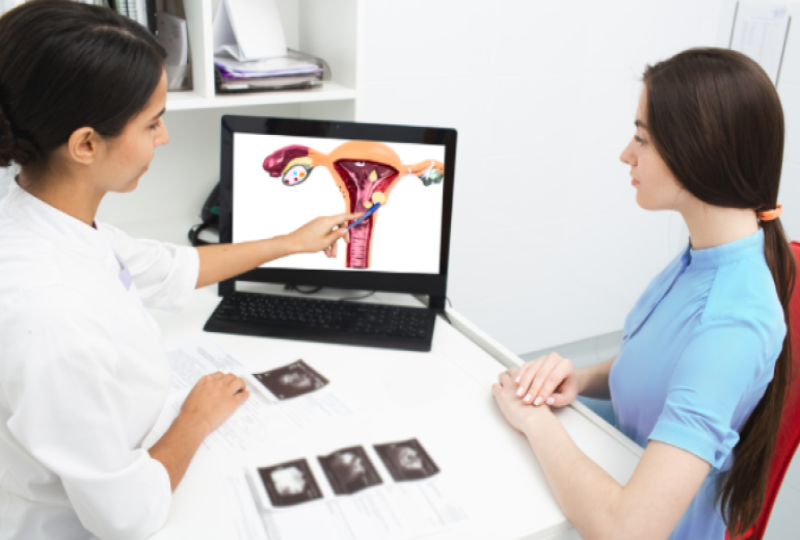
Female fertility is one of the most important biological processes determining the possibility of pregnancy. However, many women today may experience fertility-related challenges due to various reasons. Infertility should not only be viewed as the inability to conceive; it should also be evaluated as a sensitive health issue where physical, hormonal, and psychological factors intersect. The inability to achieve pregnancy despite regular and unprotected intercourse can create significant stress, anxiety, time pressure, and emotional exhaustion, especially for couples planning to have a child. During this process, women often have to cope not only with uncertainties about their own bodies but also with expectations from their social environment.
Modern reproductive medicine offers a wide range of effective methods to support female fertility. From ovulation monitoring and hormone therapies to the evaluation of the uterus and fallopian tubes and advanced assisted reproductive techniques, many women can increase their chances of pregnancy through appropriate treatment options. However, one of the most important aspects of fertility care is that the same treatment approach is not suitable for every patient. The causes affecting female fertility may vary depending on age, hormonal balance, ovarian reserve, menstrual regularity, uterine health, and previous medical history. Therefore, choosing the right physician and developing a personalized treatment plan are among the most critical steps in the fertility treatment process.
Assoc. Prof. Dr. Nazlı Korkmaz approaches female fertility treatments with a comprehensive perspective that considers not only the medical diagnosis but also the patient’s clinical history, expectations, and the time factor. This patient-centered approach helps the treatment process progress more effectively both medically and psychologically. When applied with the right timing and planning, female fertility treatments can offer hopeful and successful outcomes for many patients.
Female fertility treatments refer to the medical evaluation and treatment of conditions that make it difficult or impossible to achieve pregnancy. These treatments do not consist of a single method. The approach used for a patient with ovulation irregularities is different from the approach applied to a patient with blocked fallopian tubes or decreased ovarian reserve. For this reason, female fertility treatments represent a broad medical field that requires individualized diagnosis and treatment planning.
This field may include ovulation-inducing medications, hormone therapies, lifestyle adjustments, evaluation of the uterus and fallopian tubes, intrauterine insemination (IUI), in vitro fertilization (IVF), and in some cases corrective surgical procedures. The primary goal is to create the most suitable conditions for pregnancy, either naturally or through assisted reproductive techniques.
The success of fertility treatments depends not only on applying treatment but also on identifying the underlying cause correctly. Therefore, a thorough initial evaluation is often as important as the treatment itself.
There are many female-related factors that can make pregnancy more difficult. Understanding these causes is essential for determining the most appropriate treatment strategy. The most common factors include ovulation disorders, polycystic ovary syndrome, diminished ovarian reserve, endometriosis, structural uterine problems, fallopian tube blockage, and age-related fertility decline.
Regular ovulation is essential for achieving pregnancy. Menstrual irregularities, hormonal imbalances, and certain metabolic conditions may affect ovulation quality. In such cases, medication therapy and regular monitoring become important parts of treatment.
PCOS is one of the most common causes of female infertility. Irregular ovulation, hormonal imbalances, and metabolic factors can complicate the pregnancy process. However, successful outcomes are possible for many patients with proper treatment and monitoring.
A decline in ovarian reserve becomes more common as age increases. Anti-Müllerian hormone (AMH) levels, antral follicle count, and previous treatment responses provide important guidance in evaluating ovarian reserve. For this group of patients, the timing of treatment may become more critical.
Endometriosis can affect the ovaries, fallopian tubes, and pelvic tissues, potentially reducing fertility. In some patients pain is the main symptom, while in others the primary concern is difficulty conceiving.
Uterine polyps, fibroids, adhesions, or blockages in the fallopian tubes can directly impact the chances of pregnancy. In some cases these issues cannot be resolved with medication alone and may require interventional or surgical treatment.
Female fertility treatments may be appropriate for women who cannot conceive despite regular unprotected intercourse, experience menstrual irregularities, have ovulation problems, show signs of reduced ovarian reserve, or have uterine or fallopian tube issues. Additionally, fertility treatments become more important for women planning pregnancy at a later reproductive age, where time management and closer monitoring are required.
The necessity and type of treatment differ for every patient. Some women may achieve pregnancy with lifestyle adjustments and ovulation monitoring alone, while others may require more advanced treatment methods. Therefore, determining suitability requires a detailed medical evaluation and appropriate diagnostic tests.
These treatments are most commonly considered when pregnancy does not occur after one year of regular unprotected intercourse. If the woman is over the age of 35, this evaluation period may be shorter. Women with irregular menstrual cycles, ovulation disorders, fallopian tube problems, low ovarian reserve, or endometriosis may also require earlier fertility evaluation and treatment.
Fertility treatments may also be recommended for patients with a history of pregnancy loss, unsuccessful insemination attempts, or those requiring fertility evaluation before IVF treatment. Determining the right time to initiate treatment is crucial and depends greatly on the patient’s age and clinical history.
Female fertility treatment is not a single-step process. The methods used vary depending on the diagnosis. However, the overall process typically involves detailed evaluation, diagnosis, selection of appropriate treatment, monitoring, and assessment of outcomes.
In the first stage, the patient’s menstrual pattern, previous pregnancies, miscarriages, surgeries, medications, hormonal conditions, and accompanying medical issues are evaluated. This step is essential for identifying the factors affecting fertility.
Hormone tests, AMH evaluation, ultrasound examinations, ovarian reserve assessment, hysterosalpingography (uterine X-ray), or hysteroscopy may be performed when necessary. The goal is to clarify the underlying cause of fertility problems.
Based on the collected data, the most appropriate option is selected, such as ovulation monitoring, medication therapy, intrauterine insemination, surgical correction, or IVF. This stage requires a personalized approach rather than a standardized protocol.
The response to treatment is monitored through regular check-ups. Ovulation development, hormone levels, and the condition of the uterine lining are evaluated to assess treatment effectiveness.
| Problem Area | Possible Approach | Main Goal | Who Is It Considered For? |
|---|---|---|---|
| Ovulation disorder | Ovulation induction and hormone monitoring | Establish regular ovulation | Patients with menstrual irregularities or anovulation |
| Polycystic ovary syndrome | Lifestyle adjustments, medication, monitoring | Support hormonal balance and ovulation | Women diagnosed with PCOS |
| Diminished ovarian reserve | Personalized timing and advanced reproductive planning | Evaluate existing fertility potential | Patients with low AMH or advanced reproductive age |
| Fallopian tube problems | Imaging and assisted reproductive techniques | Clarify the fertilization pathway | Patients with tubal blockage or damage |
| Uterine issues | Evaluation of polyps, fibroids, or adhesions | Create a suitable environment for embryo implantation | Patients with suspected uterine abnormalities |
| Unexplained infertility | Close monitoring, IUI, or IVF planning | Increase pregnancy chances | Couples with normal tests but no pregnancy |
The preparation phase forms the foundation of fertility treatments. Accurate evaluation of ovarian reserve, hormone testing at the appropriate time, assessment of the uterus and fallopian tubes, and identification of metabolic or hormonal problems are all crucial steps. If this stage is incomplete, incorrect treatment choices or unnecessary delays may occur.
Lifestyle also plays an important role during preparation. Smoking, irregular sleep, stress, poor nutrition, and weight problems may negatively affect female fertility. Therefore, some patients may require lifestyle guidance alongside medical treatment. Assoc. Prof. Dr. Nazlı Korkmaz emphasizes preparing patients both physically and psychologically before initiating fertility treatments.
Post-treatment recommendations vary depending on the procedure performed. In general, medications should be used regularly, follow-up appointments should not be missed, and additional medications or supplements should not be taken without medical advice. Monitoring days are particularly important for patients undergoing ovulation induction. In patients undergoing insemination or IVF, uterine preparation and luteal support must be carefully maintained.
During this period, maintaining communication with the physician is healthier than interpreting symptoms independently. Treatment responses can vary among patients, so personal medical guidance should always take priority over general information found online.
Success rates depend on the chosen treatment method, the patient’s age, and the underlying cause of infertility. Female age is one of the most significant factors. Ovarian reserve, egg quality, uterine lining condition, fallopian tube status, hormonal balance, and male factor infertility may also influence outcomes.
Another key factor is applying treatment at the correct time. Waiting too long in some patients may reduce pregnancy chances, while in others simpler methods may still be effective. Therefore, achieving the right balance through personalized evaluation is essential.
Assoc. Prof. Dr. Nazlı Korkmaz evaluates success not only in terms of final outcomes but also through a process-oriented approach. When accurate diagnosis, proper timing, and individualized treatment planning are combined, the likelihood of success can increase significantly.
Female fertility treatments not only increase the possibility of pregnancy but also help identify and manage reproductive health issues at an early stage. Ovulation problems can be controlled, uterine abnormalities can be detected, tubal problems can be clarified, and appropriate treatment can be initiated without losing valuable time.
Another important advantage is that treatments can be planned in stages. Not every patient requires advanced procedures immediately. Treatment may begin with simpler and more appropriate methods and progress to advanced assisted reproductive techniques if necessary. This approach provides a more balanced medical and psychological experience.
In Assoc. Prof. Dr. Nazlı Korkmaz’s patient-focused approach, female fertility treatments are not only about achieving pregnancy but also about understanding and managing a woman’s reproductive health more effectively.
Choosing the right physician is one of the most important aspects of female fertility treatment. Even patients with similar symptoms may have completely different underlying causes. A qualified specialist not only performs treatment but also identifies the diagnosis, determines the correct timing, and develops an effective treatment plan without unnecessary procedures.
Assoc. Prof. Dr. Nazlı Korkmaz evaluates patients in the field of female fertility by considering their individual differences and managing the process in a clear and transparent manner. This allows patients to understand not only which treatment they will receive but also why that treatment is recommended. Such transparency significantly improves both patient confidence and treatment compliance.
Female fertility treatments gain meaning when the factors affecting pregnancy are evaluated correctly and a personalized treatment roadmap is created. From ovulation problems and ovarian reserve to uterine conditions and advanced assisted reproductive techniques, this broad field requires individualized planning for each patient. Therefore, seeking expert evaluation without delay is extremely important in fertility concerns.
If you would like to receive comprehensive information about your fertility planning process, understand the factors affecting your reproductive health, and evaluate personalized treatment options, you can contact Assoc. Prof. Dr. Nazlı Korkmaz. Choosing the right doctor not only affects the quality of fertility treatment but also improves trust, clarity, and time management throughout the entire process.
Make an Appointment — For all your questions